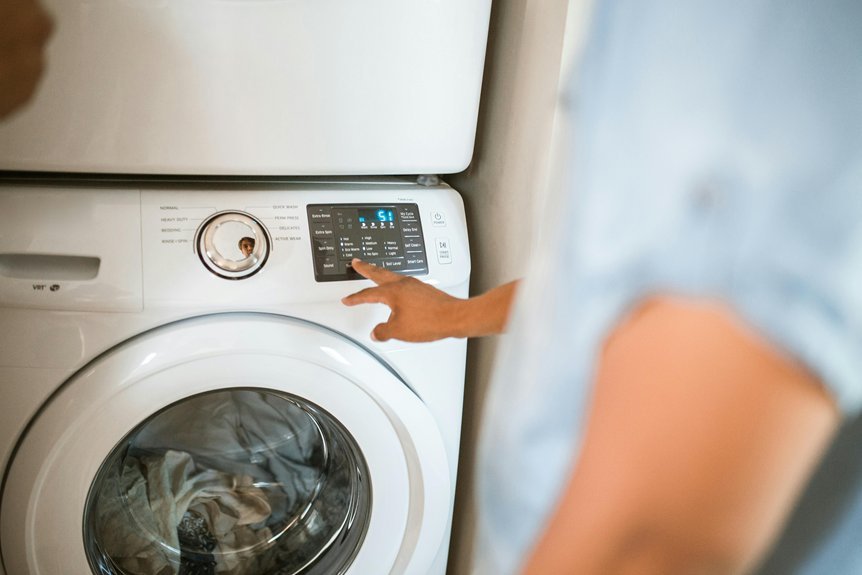
Tvättsymbolet Appliance Activity Logs and User Feedback
Tvättsymbolet appliance activity logs capture timestamps, cycle IDs, durations, status changes, errors, and resource use, while user feedback guides what data to collect next. The approach supports auditability, trend insights, and privacy preservation, presented in a clear, structured format. This combination enables real-time alerts and pattern detection, shaping safer, modular improvements. Yet there are questions about how feedback translates into concrete design choices, and what thresholds govern automated actions, inviting further examination.
What Tvättsymbolet Logs Capture in Practice
What data do Tvättsymbolet logs capture in practice?
Tvättsymbolet records practical machine activity: timestamps, cycle identifiers, duration, and selected washing cycles. It logs status changes, error reporting events, and resource usage summaries. Data is structured for auditability, enabling trend analysis and maintenance planning, while preserving user privacy. The documentation emphasizes transparent reporting of operational behavior and reliability metrics.
How User Feedback Drives Log-Driven Improvements
User feedback acts as a direct input stream for refining log-driven improvements; it translates operational experience into targeted updates for data collection, analysis methods, and automation triggers.
The approach treats user input as evidence shaping iterations, yielding transparent, auditable changes. This process produces concise, actionable insights, aligning stakeholders toward shared objectives and fostering continuous enhancement through log-driven verdicts and iterative refinement.
Reading Logs to Troubleshoot: A Step-by-Step Guide
Reading logs to troubleshoot builds on insights from user feedback to identify patterns and anomalies. The guide outlines a procedural flow with detailed log formats, emphasizing privacy considerations and secure handling. It highlights mismatched timestamps, error taxonomy, and categorization. Real time alerts enable anomaly detection, enabling technicians to correlate events, verify fixes, and ensure consistent performance without introducing needless complexity.
From Data to Design: Turning Insights Into Safer, Smarter Machines
By translating collected data into actionable design choices, engineers bridge the gap between observation and implementation. From data, design insights emerge, guiding iterative refinement of components and interfaces. Clear safety metrics quantify risk reductions and reliability improvements, informing decision thresholds. This approach favors transparent trade-offs, modular enhancement, and user-centered ergonomics, enabling safer, smarter machines while preserving freedom to innovate and adapt.
Conclusion
Coincidence threads through Tvättsymbolet’s practice: a timestamp here unexpectedly mirrors a user note there, revealing patterns no single source could disclose. Logs capture cycles, durations, and errors with precision; feedback triangulates meaning, nudging data collection and design. When readings align with user insight, safer, smarter machines emerge. The system turns random events into actionable trends, and the audience learns to read the same signals differently. In this woven coincidence, accountability and improvement become two faces of the same meticulous process.