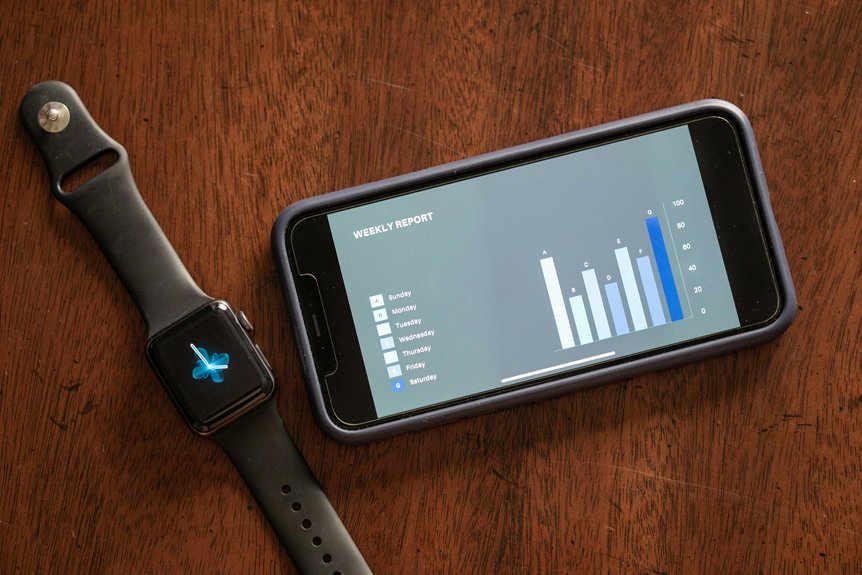
Software Stop Tracker Overview Covering Miksostop and Monitoring Feedback
The Software Stop Tracker centralizes cessation data for Miksostop into actionable insights and concise overviews. It translates interactions and cessation metrics into Monitoring Feedback that guides debugging and prioritization. The approach highlights patterns and rate changes, enabling rapid diagnosis while noting potential gaps in high-frequency event handling. Although adaptable, these benchmarks suggest careful, nonintrusive adoption. Decision-makers will want to weigh integration nuances against a broader ecosystem before proceeding.
What the Software Stop Tracker Does for Miksostop
The Software Stop Tracker functions as a centralized monitoring tool for Miksostop, aggregating cessation-related data and translating it into actionable insights. It delivers a concise Miksostop overview, highlighting patterns and rate changes. Monitoring Feedback channels are quantified, enabling clear evaluation. While promising, it emphasizes cautious interpretation; practical benefits hinge on robust data, disciplined deployment, and nonintrusive, user-centric implementation—supporting Debugging Acceleration without overreach.
How Monitoring Feedback Accelerates Debugging
Monitoring Feedback serves as a diagnostic signal that accelerates debugging by translating user interactions and cessation metrics into actionable failure modes. The mechanism highlights failure propagation and prioritization, enabling targeted investigation rather than diffuse trial. This approach favors discussion ideas that refine hypotheses and fosters workflow alignment, reducing cycle time. Analytical evaluation emphasizes gaps, efficiency, and disciplined debugging discipline without overpromising results.
Comparing Miksostop With Other Trackers: Strengths and Gaps
Miksostop presents a distinct profile when benchmarked against other trackers, revealing both unique strengths and notable gaps. It displays flexible integration, yet some competitors offer richer stacks impact through broader ecosystem support. Tracking latency varies by workload, with Miksostop sometimes underperforming on high-frequency events.
How to Tailor Stop Tracker to Your Workflow
Tailoring Stop Tracker to fit a team’s workflow requires aligning its capabilities with concrete processes and decision points identified in prior comparisons.
The analysis highlights structured adoption steps, emphasizing adaptable features over rigid defaults.
It notes tailored workflows as essential for autonomy, while highlighting integration touchpoints with existing tools.
Caution is raised about over-customization, ensuring maintainable, auditable alignment with operational goals.
Conclusion
The Software Stop Tracker delivers a concise, centralized view of Miksostop’s cessation data, translating interactions into actionable signals for rapid debugging. It highlights patterns and rate changes, supporting prioritized remediation, yet may underperform in high-frequency event handling compared with broader ecosystem trackers. Tailoring integration with care minimizes disruption while maximizing diagnostic value. As a critical lens, the tool exposes gaps to address, urging prudent adoption and iterative refinement rather than wholesale implementation. Like a lighthouse, it guides, but does not replace widespread observation.